Crawl Space Sewage Cleanup in Killeen, TX
A broken drain pipe under a pier-and-beam home traps raw sewage, damp soil, and toxic odors directly beneath your living floor. Call 24/7 for complete crawl space extraction, vapor barrier removal, and structural drying.
Serving Killeen (76541, 76542, 76543, 76549), Harker Heights, Nolanville, Belton, Temple, and Copperas Cove.
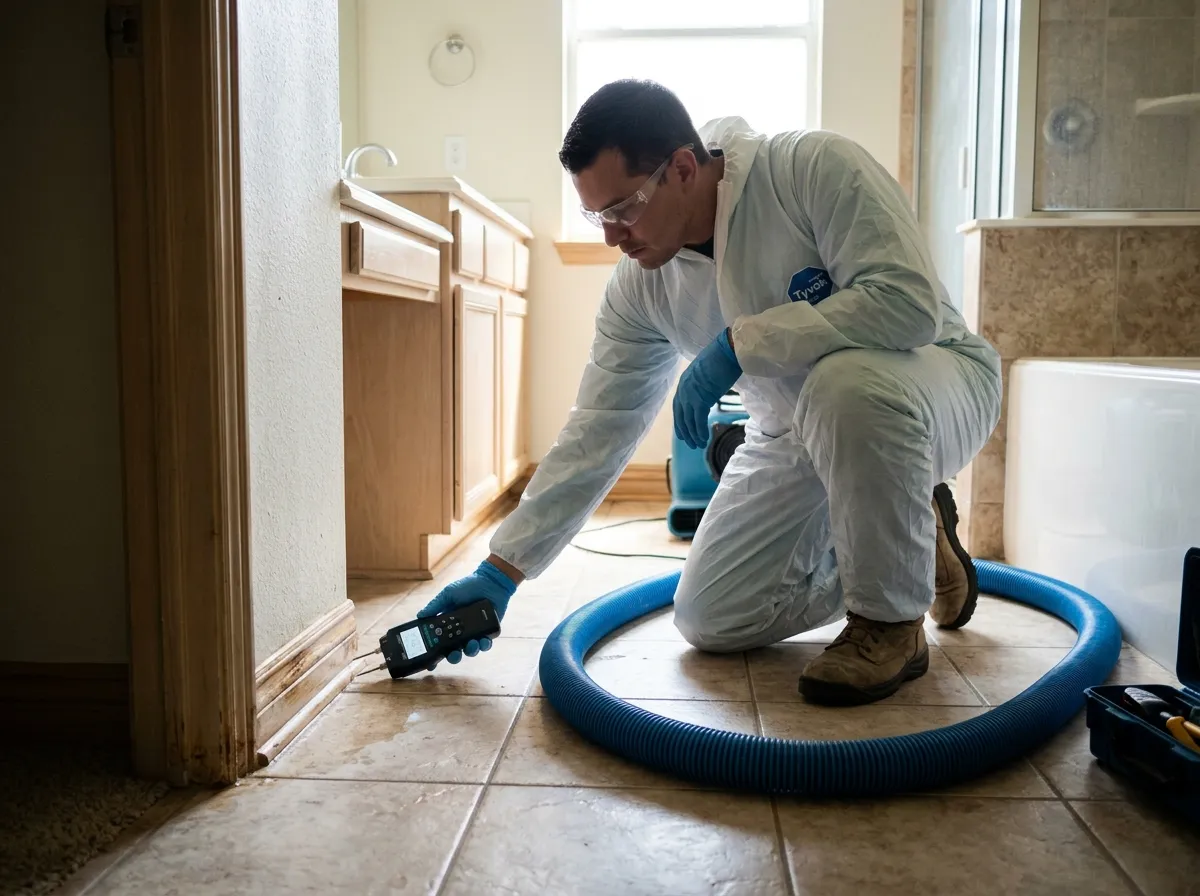
Key Restoration Steps Included
- Complete extraction of pooled raw sewage and solid waste from tight crawl spaces
- Removal of sewage-soaked fiberglass insulation and torn plastic vapor barriers
- Antimicrobial disinfection and lime/deodorizing treatment for exposed subfloor soil
- Commercial crawl space dehumidification to protect wooden floor joists and beams
Protecting Pier-and-Beam Homes Around Killeen and Belton
While newer Killeen subdivisions sit on concrete slabs, established neighborhoods such as Killeen Heights, Bellaire Heights, and older districts in nearby Belton and Temple include many pier-and-beam homes. When a cast-iron drain line corrodes or shifts in expansive clay soil, raw sewage can leak undetected beneath the house for days or weeks.
Warm Central Texas humidity turns a wet crawl space into an ideal environment for wood-decay fungi, mold spores, and foul odors that migrate straight through floorboards and return air ducts.
Step-by-Step Crawl Space Sewage Remediation
- PPE-Protected Pumping & Solids Removal: Extract standing wastewater and safely bag solid biohazard debris from under the structure.
- Insulation & Vapor Barrier Strip-Out: Remove sagging, sewage-contaminated subfloor insulation and soiled poly sheeting so joists can dry cleanly.
- Joist & Subfloor Disinfection: Apply EPA-registered antimicrobial treatments to beams, piers, floor joists, and plywood subfloors.
- Soil Stabilization & Odor Control: Treat affected crawl space soil with appropriate deodorizing and neutralizing treatments to stop lingering sewer gases.
- Commercial Subfloor Drying: Run high-capacity dehumidifiers and air movers until wood moisture content drops back into safe structural range.
Do Not Crawl Under a House With Active Sewage
Confined crawl spaces with raw wastewater carry biological hazards and electrical risks from low-hanging wiring or sump connections. Call (844) 477-0896 24/7 for trained crawl space sewage cleanup across Killeen and Bell County.
Four-Stage Sewage Cleanup Workflow
Raw sewage carries bacteria, viruses, and deep subfloor moisture. Proper cleanup follows four controlled restoration stages from extraction through final moisture verification.
Category 3 Extraction
Remove standing wastewater and solids using truck-mounted pumps and containment barriers so contamination stays isolated.
Material Removal & Disinfection
Strip unsalvageable carpet pad, baseboards, and soaked drywall, then apply EPA-registered antimicrobial disinfectants.
Commercial Dehumidification
Run commercial axial air movers and LGR dehumidifiers across concrete slabs, framing, and subfloors to stop mold growth.
Air Scrubbing & Moisture Check
Clear airborne sewage odors with HEPA air scrubbers and thermal fogging, then verify dry structural readings.
Need Crawl Space Sewage Cleanup in Killeen Right Now?
Call our 24/7 emergency line for Category 3 sewage extraction, disinfection, and structural drying across Killeen and Bell & Coryell counties.
Crawl Space Sewage Cleanup FAQs
How do I know if a sewer pipe broke under my pier-and-beam home?
Common signs include persistent rotten-egg or sewer odors rising through floor vents, unexplained indoor humidity, soggy ground near foundation vents, slow drains, or warped hardwood flooring.
Why is crawl space sewage dangerous even if it never enters the living room?
Air from your crawl space naturally rises upward into the house through floor penetrations and HVAC ductwork. Leaving raw sewage under the floor exposes your household to airborne bacteria, sewer gases, and rapid subfloor mold.
Does crawl space cleanup include removing soaked insulation and plastic sheeting?
Yes. Wet fiberglass batts and contaminated vapor barriers trap pathogens and moisture against wooden joists. Restoration crews bag and dispose of affected materials before sanitizing and drying the subfloor.